Helping organisations move beyond traditional security monitoring by connecting building technology, operational data, AI, and service teams into one smarter platform.
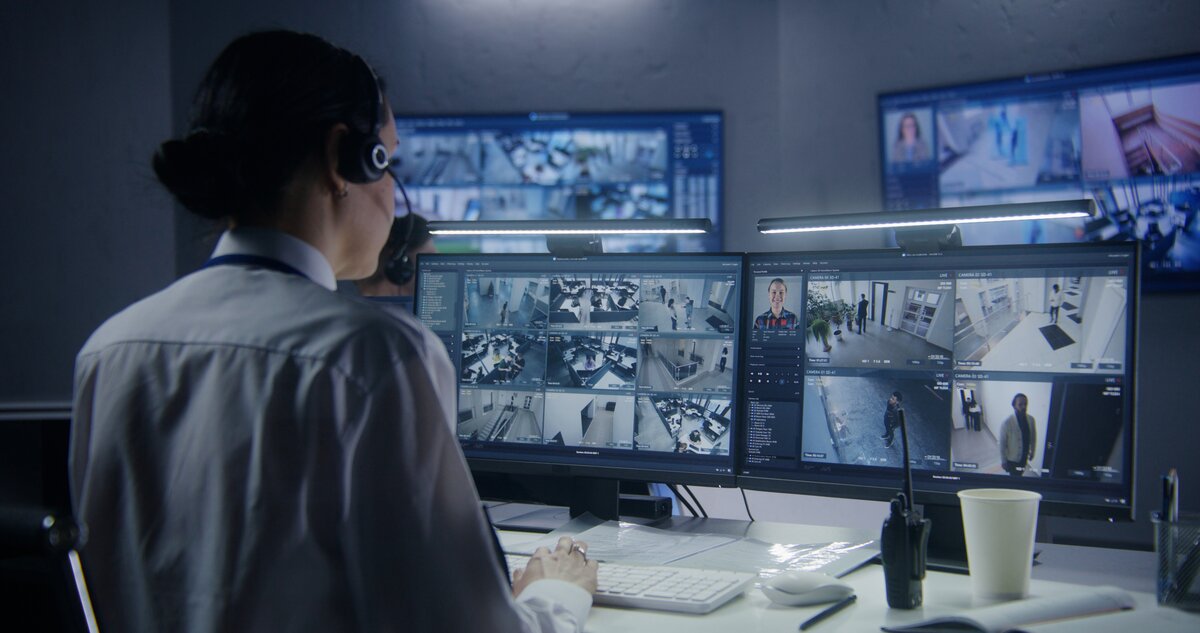
Pinnacle helps organisations gain greater value from their existing building technology by extending monitoring beyond traditional security systems.
By connecting systems such as CCTV, access control, fire, BMS, environmental sensors, IoT devices, AI analytics, and operational data, Pinnacle creates one connected platform for visibility, alarms, faults, controls, and reporting.
This enables security, facilities, maintenance, cleaning, operations, and management teams to respond faster, reduce service-impacting issues, and make better use of existing infrastructure without major disruption or wholesale replacement.
For many organisations, the opportunity is no longer just about monitoring security events. It is about using the same platform to improve building performance, service delivery, compliance visibility, and day-to-day operational efficiency.
Many buildings and estates already have valuable systems in place, but they often operate in isolation. This limits visibility, slows down response, and makes it harder to use data effectively across different teams.
Pinnacle provides a centralised platform for integration and monitoring, bringing together existing building technology, alarms, faults, system health, AI events, and operational data into one easy-to-use interface.
Instead of replacing existing systems, Pinnacle sits above them as a vendor-agnostic operational layer. This allows organisations to connect what they already have, add new sensors or AI tools where needed, and build a more complete picture of how buildings and services are performing.
Events can be categorised, prioritised, mapped, and presented to the right team, helping operators understand what has happened, where it has happened, and what action may be required.
This creates a practical bridge between security, hard services, soft services, and management reporting.
Once deployed, Pinnacle can be expanded further across additional building systems, sensors, AI tools, and operational use cases.
This could include richer estate dashboards, automated reporting, occupancy-based services, energy and environmental insights, predictive maintenance indicators, and more advanced event triage across security, facilities, cleaning, maintenance, and management teams.
Over time, the data collected through Pinnacle can help organisations move from reactive building management to a more intelligent, evidence-led operating model.
Pinnacle helps organisations unlock far greater value from the building technology they already own.
By moving beyond traditional security monitoring, Pinnacle connects security, fire, BMS, environmental sensors, AI, IoT devices, and operational data into one intelligent platform. This gives teams a clearer view of what is happening across their buildings, helps them respond earlier, and enables service delivery to become more proactive, efficient, and evidence-led.
The result is a smarter operating model where security, facilities, maintenance, cleaning, and management teams are no longer working from disconnected systems. Instead, they gain one joined-up view of risk, performance, service standards, and operational demand.
Pinnacle provides the foundation for smarter buildings, stronger resilience, improved service delivery, and long-term operational improvement without the disruption and cost of replacing existing infrastructure.
Improving building visibility, occupier experience, and operational resilience through connected systems, AI, and integrated building technology.
Read the full use case Housing associationsImproving estate visibility, tenant safety, and operational response through connected systems, AI, and integrated building technology.
Read the full use case High-end residentialImproving estate visibility, security response, household support, and operational resilience across high-end residential properties through connected systems, AI, and integrated building technology.
Read the full use case