Improving safety, site visibility, operational resilience, and efficiency through connected systems, AI, and integrated building technology.
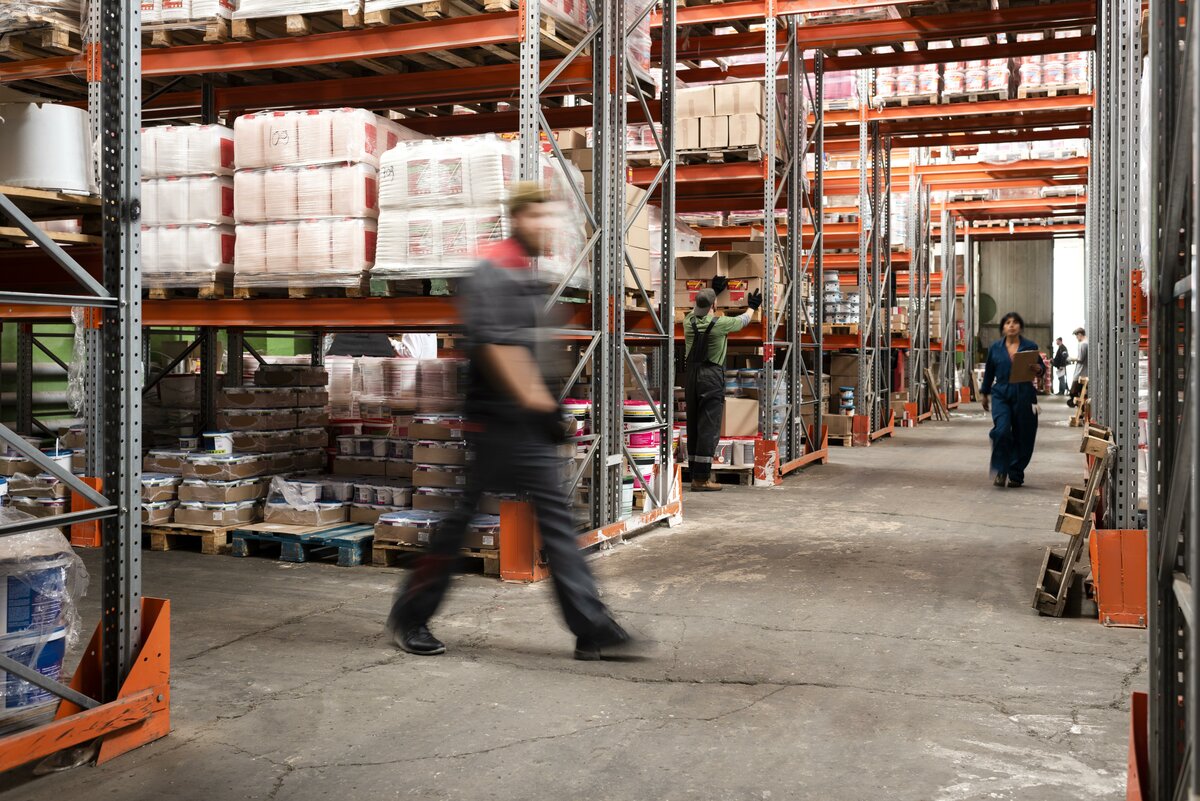
Pinnacle helps distribution centres gain better visibility across busy, high-risk operational environments by bringing together existing security, safety, building technology, and operational data into one connected platform.
This enables security, operations and facilities teams to respond faster, prioritise issues more effectively, and make better use of existing infrastructure without unnecessary disruption or full system replacement.
For distribution centres, the challenge is not simply connecting systems, but using them in a way that protects people, assets, uptime, and operational performance across warehouses, yards, gatehouses, loading bays, offices, and plant areas.
Distribution centres often operate with multiple disconnected systems across fast-moving environments, making it harder to maintain visibility, respond consistently, and manage risk in real time.
Pinnacle provides a centralised platform for integration and monitoring, bringing together systems such as CCTV, access control, intruder alarms, fire systems, perimeter detection, BMS, gate automation, AI analytics, wireless sensors, and other site data into a single operational view.
Where there are gaps in visibility, additional sensors can be added to extend capability without replacing existing systems.
This helps distribution centre teams identify issues earlier, direct the right response more quickly, and improve consistency across warehouse operations, yard management, security, maintenance, and health and safety.
Once deployed, Pinnacle can provide the data foundation for a more intelligent distribution centre operating model.
Over time, the data collected through Pinnacle can help operators understand recurring faults, H&S trends, vehicle activity, alarm demand, maintenance issues, and site performance. This insight can support better planning, safer operations, and continual improvement across the site or wider estate.
Future AI-led automation could also help triage events, highlight the most important risks, recommend next actions, and support faster coordination between security, operations, maintenance, facilities, and health and safety teams.
Pinnacle helps distribution centres reduce loss, streamline control room operations, and improve safety across busy warehouse, yard, gatehouse, and loading bay environments.
By connecting existing security, safety, building systems, alarms, faults, AI outputs, and operational data into one platform, Pinnacle gives teams clearer visibility of what is happening across the site.
This enables operators to prioritise the most important events, respond faster to incidents, reduce unnecessary alarm handling, and identify risks before they escalate into disruption, damage, loss, or safety issues.
For distribution centres, Pinnacle provides a practical way to improve control, resilience, and operational performance while making better use of the infrastructure already in place.
Improving building visibility, occupier experience, and operational resilience through connected systems, AI, and integrated building technology.
Read the full use case Housing associationsImproving estate visibility, tenant safety, and operational response through connected systems, AI, and integrated building technology.
Read the full use case High-end residentialImproving estate visibility, security response, household support, and operational resilience across high-end residential properties through connected systems, AI, and integrated building technology.
Read the full use case